Construction Knowledge
What Makes Strong and Durable Concrete?
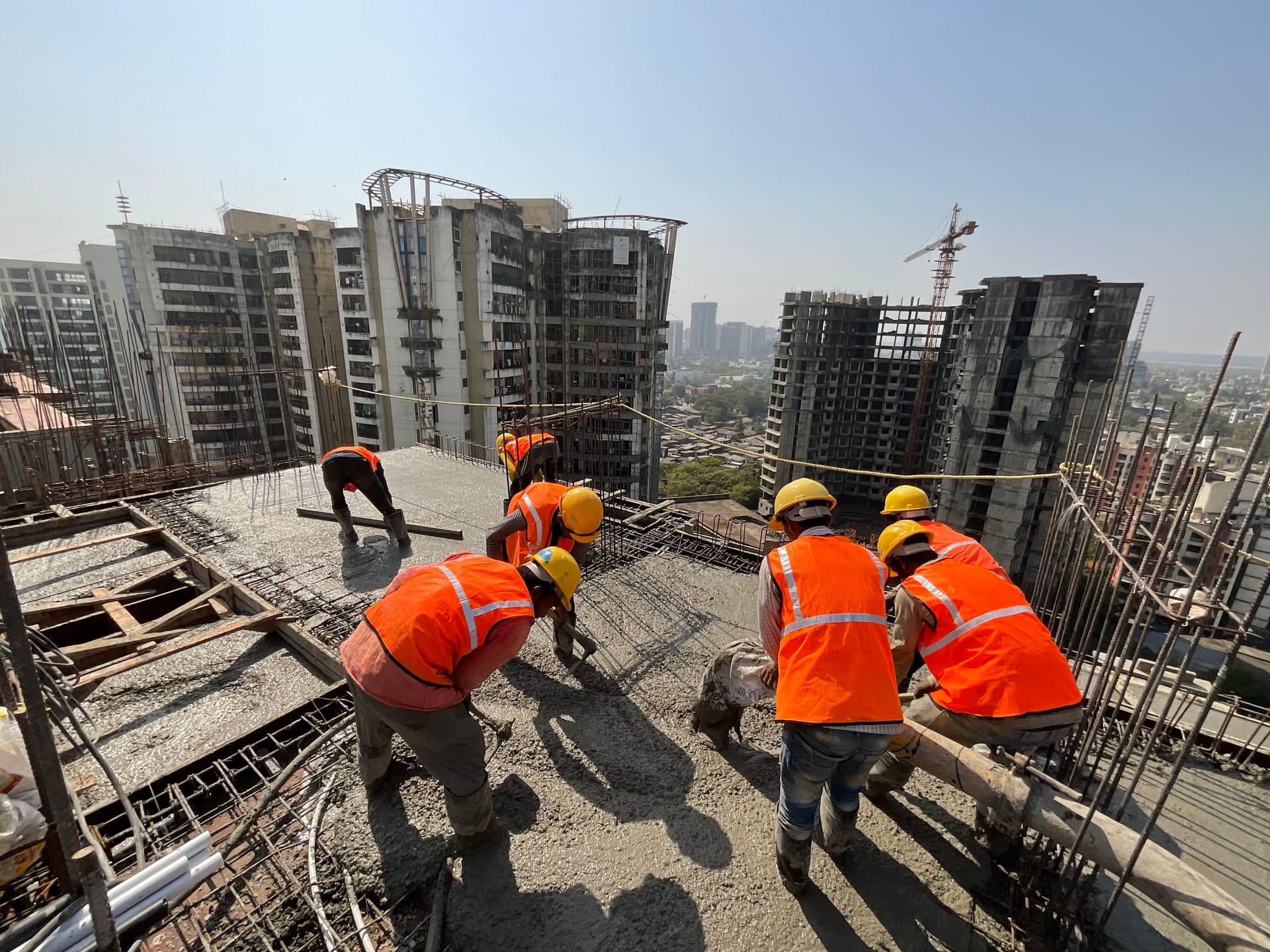
Good cement is important, but durable concrete also depends on water, aggregates, proportioning, mixing, placement, compaction and curing.
8 min read · 2 July 2026
Building Stronger. Together. A member of Amsons Group.
+255 788 826 188Construction Knowledge
Accurate material planning helps control waste, cost and construction delays. Learn the information needed to estimate cement for a concrete slab.

A concrete slab can require a significant amount of material. Estimating carefully helps with budgeting, ordering, transport, storage and work planning. A weak estimate may leave the team short of cement during a pour or create unnecessary excess stock on site.
A reliable estimate begins with accurate dimensions and an approved concrete mix design.
Before calculating, collect:
For structural slabs, use the dimensions and thickness shown on the approved drawings. Do not guess slab thickness.
All dimensions must be converted to the same unit before calculating volume. Metres are commonly used.
For example:
Convert 150 millimetres to metres:
150 millimetres equals 0.15 metres.
The slab volume is then based on 6 metres by 4 metres by 0.15 metres.
The basic volume calculation is:
Length × Width × Thickness
Using the example:
6 × 4 × 0.15 = 3.6 cubic metres
This is the wet volume of concrete required before considering wastage and the material factors used in the approved mix calculation.
The number of cement bags cannot be determined from slab volume alone. It depends on the concrete mix design.
A mix design determines the proportions of cement, fine aggregate, coarse aggregate, water and any approved admixtures. Structural concrete should follow the engineer's specification and an approved mix design.
Do not choose an arbitrary site ratio for structural work. Different concrete strength classes and exposure conditions require different material quantities.
The combined dry materials used to produce concrete occupy more volume before mixing than the finished compacted concrete. This is due to voids between particles, compaction and changes during mixing.
Material estimation methods therefore apply an approved dry-volume factor. The exact factor used by the Camel Cement calculator must be controlled by technical staff in the administration dashboard and linked to the selected calculation method.
This is one reason a simple online formula can produce a misleading answer when it does not explain its assumptions.
Construction involves handling loss, spillage, uneven surfaces and other small differences. An estimate should include a reasonable wastage allowance approved for the project.
The required allowance depends on:
The Camel Cement calculator should allow the user to select or enter a wastage percentage while clearly showing the value in the result.
Some slabs include:
These features change the concrete volume. Calculate them separately and add or subtract them as required.
For complex structural slabs, use a quantity surveyor's take-off or an approved bill of quantities rather than relying on one rectangle.
Cement quantity and cement grade are different questions.
The quantity tells you how many bags are estimated. The grade tells you which product is suitable for the design and construction requirements.
Camel Cement Grade 42.5N provides strong long-term structural performance. Grade 42.5R supports rapid early strength applications. Product choice should follow the approved slab design and project specification.
A slab should be planned as a complete operation. Before starting, confirm:
Running out of cement during a slab pour can create construction joints in the wrong location and affect quality. Order and prepare materials with an appropriate site contingency.
Cement should arrive in good condition and remain dry until use.
Store bags:
Do not place bags directly on soil or a damp floor.
Adding too much water may make concrete easier to place, but it can reduce strength and durability. Use the water quantity in the approved mix design. Account for moisture in aggregates where required.
Do not judge a mix only by appearance. Consistent batching and controlled water are essential.
After placement, concrete must be compacted to reduce trapped air and create a dense mass. The method should suit the work and avoid damaging reinforcement or formwork.
Curing should begin at the correct time and continue for the period required by the specification. Protect the slab from rapid moisture loss, direct heat, wind and early traffic.
A good slab calculator should show:
The result should be easy to download and share with the sales team, engineer, contractor or quantity surveyor.
Before ordering cement for a slab, confirm:
Material calculation is one part of quality construction. Accurate dimensions, correct mix design, good materials, controlled water, proper compaction and curing must all work together.
Put this guidance to work on your project with Camel Cement's tools and support.
Keep Reading
Construction Knowledge
Good cement is important, but durable concrete also depends on water, aggregates, proportioning, mixing, placement, compaction and curing.
8 min read · 2 July 2026
Construction Knowledge
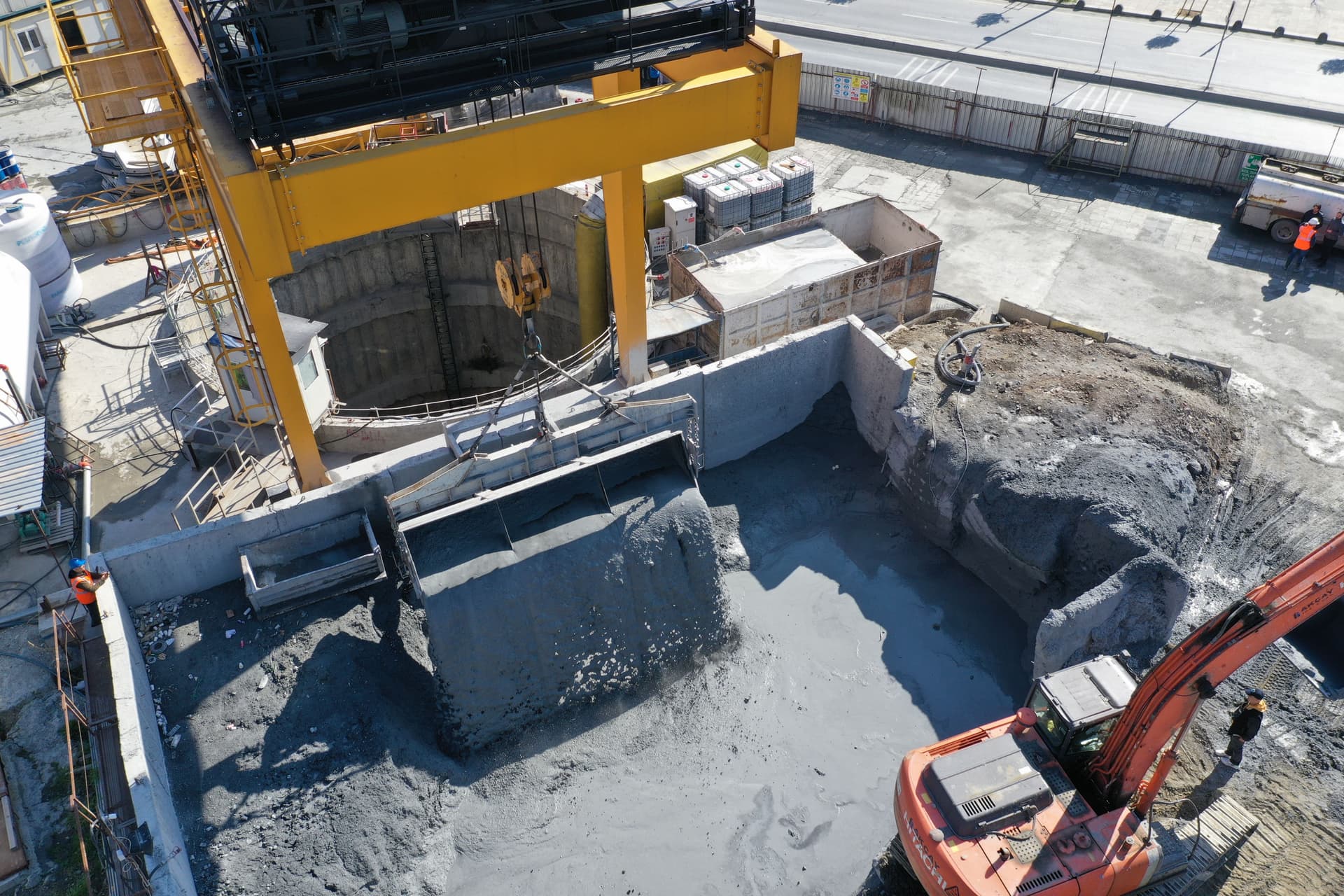
Concrete continues developing strength after placement. Proper curing helps retain moisture, reduce cracking and support long-term performance.
8 min read · 8 July 2026