
Company News
Camel Cement Wins African Company of the Year 2026
Winning African Company of the Year Awards 2026 is a reflection of what Camel Cement stands for every single day: consistency, quality and trust.
2 min read · 9 July 2026
Building Stronger. Together. A member of Amsons Group.
+255 788 826 188Quality and Safety
Cement can lose performance when exposed to moisture or stored incorrectly. Avoid these common storage mistakes on construction sites and in shops.
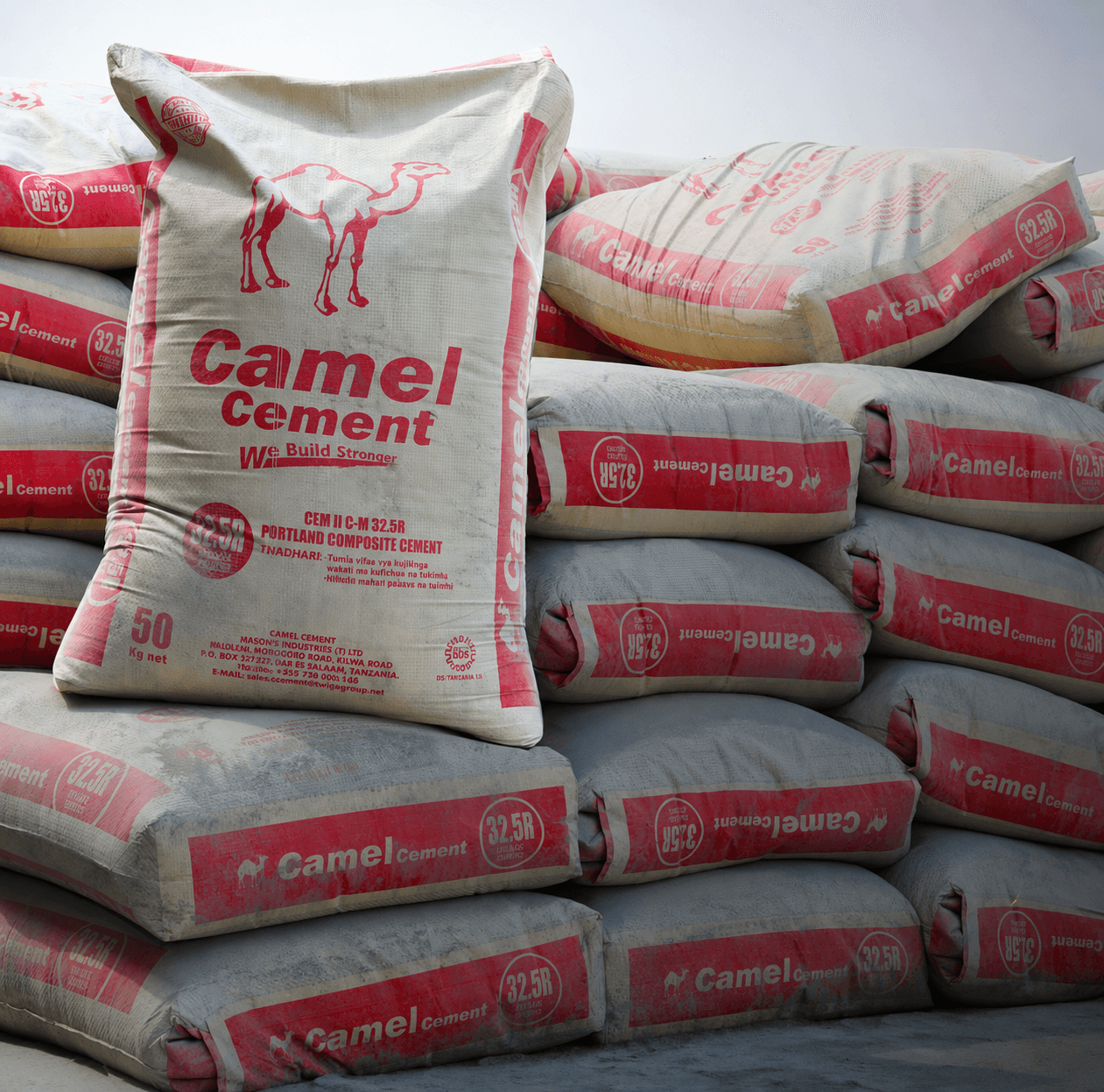
Cement is designed to react with water. That reaction is essential when concrete or mortar is being mixed, but it becomes a problem when moisture reaches the cement before use.
Poor storage can lead to hardened lumps, damaged packaging, difficult batching and reduced confidence in the material. A simple storage plan protects product quality and helps the site use stock in an organised way.
Concrete floors can carry moisture, especially in ground-level stores and during wet weather. Soil floors create an even greater risk.
When cement bags sit directly on the floor, moisture can move into the packaging and begin affecting the cement.
Place bags on dry pallets or a raised timber platform. The platform should be stable, strong and high enough to separate the bags from possible dampness.
Inspect the area before delivery. A clean floor is not automatically a dry floor.
External walls may become damp from rain, poor drainage or temperature changes. Bags touching a wall can absorb moisture over time.
Tight wall contact also reduces airflow and makes inspection difficult.
Leave a clear gap between cement stacks and external walls. Keep enough space for staff to inspect the bags and maintain the storage area.
Cement bags should not be left outdoors without reliable protection. A light plastic sheet placed over a loose stack may not protect the sides or the base. Wind can lift the cover, while water can collect underneath.
Use an enclosed, roofed and well-ventilated store. Where temporary storage is unavoidable, use a raised platform, waterproof covering and side protection, then move the bags into proper storage as quickly as possible.
Very high stacks can become unstable and create a safety risk. They can also compress lower bags, damage packaging and make stock rotation difficult.
A badly arranged stack may collapse when bags are removed from one side.
Use stable stacking patterns, follow site safety rules and keep the stack within a manageable height. Train workers to remove bags evenly and avoid creating unsupported sections.
Maintain clear walkways around stacks.
A torn bag can lose material and allow moisture or contamination to enter. Moving it carelessly may spread cement dust and create a housekeeping problem.
Inspect bags during delivery. Separate damaged bags, protect the remaining material and report significant damage to the responsible person.
Do not mix contaminated or moisture-damaged cement into work without appropriate review.
When deliveries are placed in front of older stock, workers naturally take the easiest bags first. Older cement remains at the back and may stay in storage too long.
Use a first-in, first-out system. Mark delivery dates, organise stacks by batch and make older approved stock accessible.
Good stock rotation reduces waste and makes inventory easier to manage.
Cement should be used while it remains in good condition. Storage time, humidity, packaging condition and store quality all matter.
A bag that looks closed may still have absorbed moisture.
Inspect stock regularly. Check for:
When product condition is uncertain, consult the supplier or technical team before use.
A roof may look sound during dry weather but leak during heavy rain. Inspect gutters, roof sheets and drainage around the store.
A sealed, humid room can trap moisture. Ventilation should reduce humidity without allowing rain to enter.
Do not store cement beside water containers, fuel, chemicals or products that may leak or contaminate the bags.
Count and inspect bags during receipt. Record damaged stock immediately rather than discovering it during use.
Keep the store clean. Excess cement dust can hide dampness, damage and trip hazards.
Cement is heavy and can create dust during handling. Workers should follow approved lifting practices and use appropriate personal protective equipment.
Relevant protection may include:
Avoid throwing bags or dragging them across rough surfaces.
Before cement arrives:
During delivery:
During storage:
Cement quality is not protected only at the factory. Transporters, dealers, storekeepers, contractors and site teams all play a role.
A dry, organised store is a small investment compared with the cost of wasted materials or poor construction. Protect every bag until the moment it is opened and mixed.
Put this guidance to work on your project with Camel Cement's tools and support.
Keep Reading
Company News
Winning African Company of the Year Awards 2026 is a reflection of what Camel Cement stands for every single day: consistency, quality and trust.
2 min read · 9 July 2026

Product Guidance
Different construction activities require different cement characteristics. This guide explains how strength class, early strength development and project type can help you make a better choice.
8 min read · 5 June 2026